
27 August 2026
Smog: Health and Environmental Impacts in Pakistan
What Is Smog and Why Does It Matter?
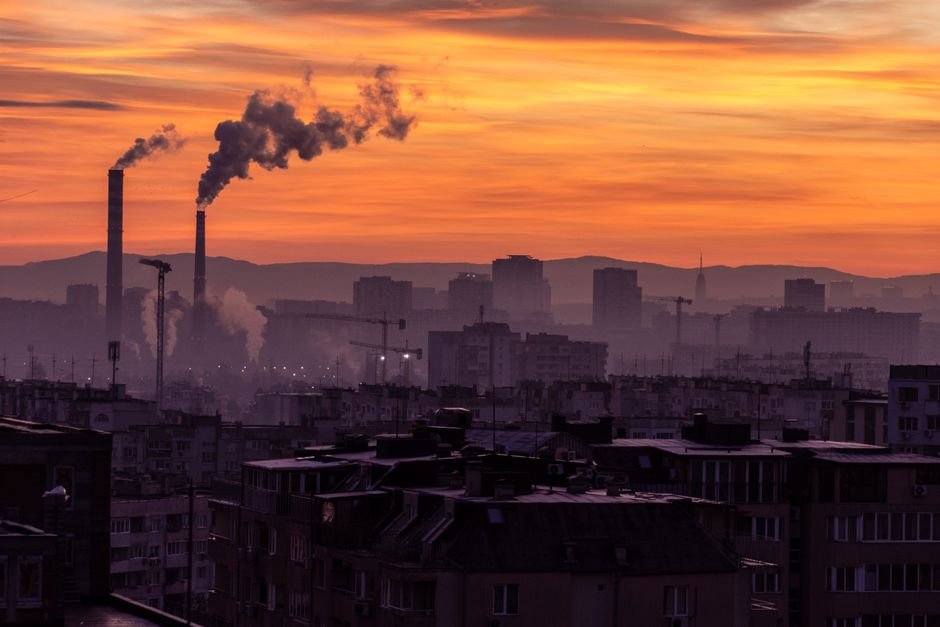
Smog is a form of severe air pollution that forms when emissions from vehicles, industry, agriculture, and other sources react in the atmosphere under specific weather conditions. The word itself is a combination of smoke and fog, though modern smog is a more complex chemical phenomenon than that simple description suggests. In Pakistan, smog has become one of the most visible and damaging environmental problems of recent decades, particularly in the Punjab province during the winter months.
Understanding smog requires distinguishing between its two main types. Sulfurous smog, sometimes called London-type smog, results from burning coal and other sulfur-rich fuels. Photochemical smog, which is more common today, forms when nitrogen oxides and volatile organic compounds react in sunlight to produce ground-level ozone and other secondary pollutants. Pakistan's winter smog is a combination of both types, driven by crop residue burning, vehicle exhaust, brick kiln emissions, and industrial discharge, all trapped by a temperature inversion layer that prevents pollutants from dispersing upward.
The Science Behind Pakistan's Smog Season
Each year from October through January, large parts of Punjab and parts of Khyber Pakhtunkhwa experience what has become known as smog season. The meteorological conditions during this period create a near-perfect trap for air pollutants. Cooler air near the ground becomes trapped beneath a warmer layer above, a condition called thermal inversion. With wind speeds low and rainfall scarce, pollutants accumulate at ground level for days or even weeks at a time.
The primary pollutant of concern in Pakistan's smog is particulate matter, specifically PM2.5, which refers to fine particles with a diameter of 2.5 micrometers or less. These particles are small enough to penetrate deep into the lungs and enter the bloodstream. According to the World Health Organization's ambient air quality guidelines, the recommended annual average concentration for PM2.5 is 5 micrograms per cubic meter. During peak smog events in Lahore, recorded concentrations have exceeded 300 to 500 micrograms per cubic meter, levels that represent a severe and immediate health hazard.
Crop residue burning in the rice-wheat belt of Punjab and across the border in Indian Punjab is a major seasonal contributor. Farmers burn rice stubble after harvest to clear fields quickly before wheat planting, releasing enormous quantities of particulate matter, carbon monoxide, and other pollutants in a short window. Studies have estimated that crop burning contributes a significant share of the particulate load during peak smog events, though the precise proportion varies by location and year and should be verified against the latest provincial EPA monitoring data.
Health Impacts of Smog Exposure
Respiratory and Cardiovascular Effects
The health burden of smog in Pakistan is substantial and affects millions of people across the most densely populated regions of the country. Short-term exposure to high concentrations of PM2.5 and ground-level ozone causes irritation of the eyes, nose, and throat, shortness of breath, coughing, and worsening of existing respiratory conditions such as asthma and chronic obstructive pulmonary disease (COPD). For people already living with these conditions, a single severe smog episode can trigger hospitalization or worse.
Long-term exposure carries even more serious consequences. Chronic inhalation of fine particulate matter is associated with reduced lung function, development of cardiovascular disease, stroke, lung cancer, and premature death. Children are particularly vulnerable because their lungs are still developing and they breathe more air relative to their body weight than adults. Elderly populations and outdoor workers face elevated risk as well. Research published by global health institutions consistently ranks outdoor air pollution among the leading environmental risk factors for premature mortality worldwide, and Pakistan's urban populations face some of the highest exposures in South Asia.
Mental Health and Cognitive Effects
Emerging research has begun to document links between air pollution exposure and mental health outcomes, including increased rates of anxiety and depression, and cognitive effects in children including reduced attention and learning capacity. While this evidence base is still developing and caution is warranted in drawing definitive conclusions for the Pakistani context specifically, the findings reinforce why smog cannot be treated as solely a respiratory issue. It is a broad public health problem with economic, educational, and social dimensions.
Vulnerable Communities and Environmental Justice
It is important to note that smog does not affect all communities equally. Low-income households are more likely to live near industrial zones, brick kilns, and high-traffic roads. They are less likely to have access to air filtration, adequate healthcare, or the option to stay indoors during peak pollution episodes. Street vendors, construction workers, traffic police, and others who work outdoors have no practical means of reducing their exposure during smog events. This dimension of environmental justice deserves attention in any serious policy discussion about smog in Pakistan.
Environmental Impacts Beyond Human Health
Effects on Agriculture and Food Security
Smog does not only harm people. Ground-level ozone, one of the secondary pollutants formed during photochemical smog events, is damaging to vegetation. It enters plant tissue through leaf pores and disrupts photosynthesis, reducing crop yields and impairing plant growth. Wheat, rice, and cotton, all major crops in Pakistan, are sensitive to ozone exposure. Research from South Asia and globally suggests that ground-level ozone is already causing measurable reductions in agricultural yields in affected regions, which has direct implications for food security in a country where a significant portion of the population depends on agriculture.
Impacts on Ecosystems and Biodiversity
Acid deposition, a consequence of sulfur dioxide and nitrogen oxide emissions that form smog, can alter soil chemistry and affect freshwater ecosystems. Wetlands, which are already under pressure in Pakistan from water scarcity and land conversion, may face additional stress from acidification. Visibility reduction caused by smog also has indirect effects on wildlife, particularly migratory birds that navigate by visual cues. These ecosystem-level effects are less studied in the Pakistani context than human health impacts, and there is a clear need for more research.
Climate Interactions
Some components of smog, particularly black carbon (soot) and ground-level ozone, are also short-lived climate pollutants. Black carbon absorbs sunlight and contributes to warming, and when deposited on glaciers in the Karakoram and Himalayas, it accelerates melting by reducing reflectivity. This connects Pakistan's smog problem directly to its glacier retreat and downstream water security challenges. Reducing smog-forming emissions therefore has co-benefits for both public health and climate resilience, a point that strengthens the case for urgent action.
The Regulatory Framework in Pakistan
Pakistan's primary environmental legislation is the Pakistan Environmental Protection Act 1997 (PEPA), which establishes the framework for environmental standards and enforcement at the federal level. The National Environmental Quality Standards (NEQS) set limits for various air pollutants from industrial and vehicular sources. Provincial Environmental Protection Agencies in Punjab, Sindh, Khyber Pakhtunkhwa, and Balochistan are responsible for enforcement within their jurisdictions under their respective provincial environmental laws.
Punjab has taken several steps specifically targeting smog. The Punjab Environmental Protection Act 2012 and subsequent notifications have addressed crop burning bans, vehicle emission standards, and brick kiln technology requirements. The Punjab EPA has deployed ambient air quality monitoring stations in Lahore and other cities. However, enforcement remains a persistent challenge, and the gap between regulatory standards on paper and actual air quality outcomes on the ground remains wide. Readers seeking the current status of specific regulations are encouraged to consult the Punjab Environmental Protection Agency directly, as regulatory instruments are updated periodically.
At the national level, the Ministry of Climate Change and Environmental Coordination has engaged with smog as part of broader air quality and climate commitments. Pakistan's Nationally Determined Contributions under the Paris Agreement reference air quality co-benefits from climate mitigation measures, though specific binding targets for PM2.5 concentrations in urban areas remain an area for further policy development.
What Needs to Change
Addressing smog in Pakistan requires action across multiple sectors simultaneously. On crop burning, alternatives such as Happy Seeder technology, which allows wheat to be sown directly into rice stubble without burning, have been promoted in Punjab with some success, but adoption remains limited by cost and awareness. Scaling up support for farmers to transition away from burning is essential.
On vehicle emissions, accelerating the transition to cleaner fuels, tightening vehicle inspection and maintenance requirements, and expanding public transport options in major cities would reduce a major source of smog precursors. Industrial and brick kiln upgrades, including the shift to zigzag kiln technology which is already being promoted in Punjab, reduce both particulate emissions and fuel consumption.
Public awareness also matters. During smog events, health advisories that are timely, specific, and accessible to ordinary citizens can help vulnerable people take protective steps. Environmental professionals have a role to play in communicating risk accurately, without either minimizing the threat or causing unnecessary alarm.
Frequently Asked Questions
Q1. What causes smog in Lahore and other Pakistani cities?
Lahore's smog results from a combination of crop residue burning in surrounding agricultural areas, vehicle exhaust, industrial emissions, and brick kiln pollution. These sources are compounded during winter by thermal inversion, a meteorological condition that traps pollutants near the ground. Low wind speeds and minimal rainfall during October to January prevent natural dispersal of pollutants, leading to the severe smog episodes the city experiences each year.
Q2. What are the main health risks from breathing smog?
Short-term exposure to smog causes respiratory irritation, coughing, and worsening of asthma and COPD. Long-term or repeated exposure is linked to reduced lung function, cardiovascular disease, stroke, lung cancer, and premature death. Children, the elderly, and outdoor workers face the highest risks. Fine particulate matter (PM2.5) is considered the most harmful component because it penetrates deep into the lungs and can enter the bloodstream.
Q3. Is smog a problem only in winter in Pakistan?
Severe smog events in Pakistan are concentrated in the October to January period due to weather conditions and the post-harvest crop burning season. However, air quality in major Pakistani cities is often poor year-round due to ongoing vehicle emissions, industrial activity, and dust. Summer months can bring high ozone concentrations under strong sunlight, which also pose health risks even when visible smog is less apparent.
Q4. What does Pakistani law say about crop burning?
Crop residue burning has been banned in Punjab under provincial environmental regulations, and the Punjab EPA has periodically issued directives reinforcing this ban. However, enforcement on the ground has been inconsistent, and burning continues in many areas due to limited farmer awareness, lack of affordable alternatives, and resource constraints in monitoring rural areas. The specific legal provisions and their current enforcement status should be verified with the Punjab EPA, as the regulatory situation evolves.
Q5. How can environmental professionals contribute to addressing smog?
Environmental professionals can contribute in several ways, including conducting air quality monitoring and analysis, supporting environmental impact assessments for industries and infrastructure projects, engaging in policy advocacy, developing public communication materials, and researching smog sources and mitigation options. Professionals working in this field benefit from staying current with both national regulations and international research on air quality management. PAEP supports members working on air quality and related issues through professional networking, knowledge-sharing events, and engagement with policy processes across Pakistan.
Q6. What is the difference between PM2.5 and PM10 in the context of smog?
PM10 refers to particles with a diameter of 10 micrometers or less, while PM2.5 refers to the finer fraction at 2.5 micrometers or less. Both are monitored under Pakistan's National Environmental Quality Standards. PM2.5 is considered more dangerous to health because its smaller size allows it to penetrate further into the respiratory system, reaching the alveoli in the lungs and potentially entering the bloodstream. During smog events, PM2.5 concentrations are the primary indicator of health risk and are the focus of most health-based air quality guidelines internationally.