
27 August 2026
Pakistan's Groundwater Crisis: Causes, Consequences, and the Path Forward
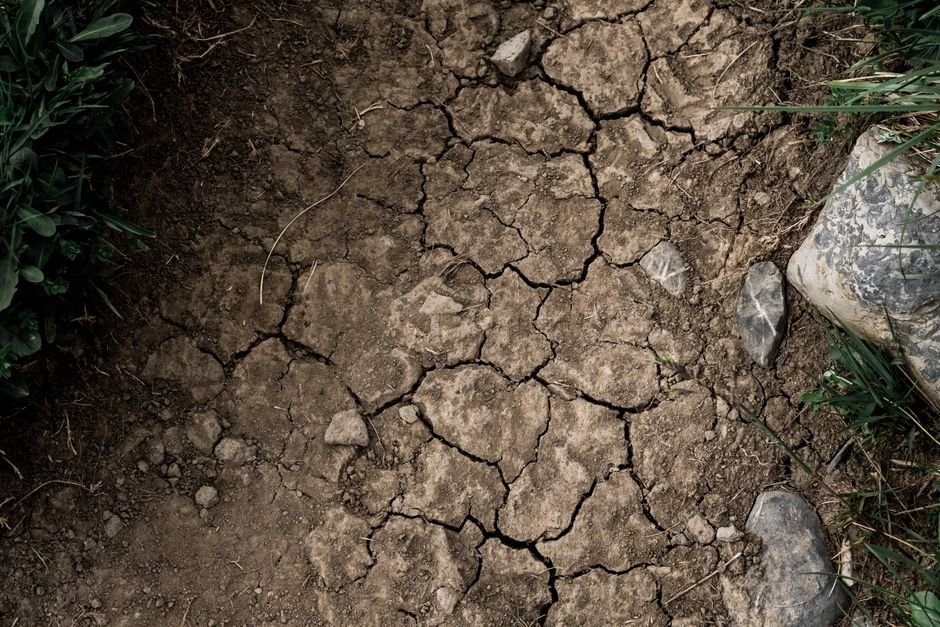
A Resource Running Out Beneath Our Feet
Pakistan's groundwater crisis is no longer a future warning. It is a present reality affecting millions of farmers, urban households, and ecosystems across the country. Aquifers that took thousands of years to fill are being drawn down at rates that far exceed natural recharge. The consequences range from falling crop yields and rising pumping costs to land subsidence, saltwater intrusion, and drinking water shortages in major cities.
Understanding the scale and causes of this crisis is essential for environmental professionals, policymakers, and the public. This article examines what is happening to Pakistan's groundwater, why it is happening, and what credible responses look like at the policy, technical, and community level.
The Scale of the Problem
Pakistan is among the world's largest users of groundwater. Agriculture accounts for the overwhelming majority of extraction, with millions of tube wells installed across Punjab, Sindh, Khyber Pakhtunkhwa, and Balochistan. The Indus Basin, which underpins Pakistan's agricultural economy, depends heavily on both surface water from the Indus River System and groundwater stored in alluvial aquifers.
Studies by the Pakistan Council of Research in Water Resources (PCRWR) and international bodies including the World Bank have consistently flagged that extraction in many parts of Punjab and Sindh exceeds aquifer recharge. In parts of central Punjab, water tables have been declining by one to two meters per year in some areas, though rates vary significantly by location. In Balochistan, karez systems and shallow aquifers that historically supported agriculture and settlements are drying up in many districts.
Karachi, Lahore, and other major urban centers are also increasingly dependent on groundwater to supplement inadequate surface water supplies, adding urban extraction pressure on top of already stressed agricultural demand. The World Bank's work on Pakistan groundwater governance has highlighted the intersection of weak regulation, energy subsidies, and agricultural incentives as key drivers of overextraction.
Root Causes of Groundwater Overextraction
Agricultural Demand and Cropping Patterns
Pakistan's dominant crops, particularly rice and sugarcane, are highly water intensive. The expansion of rice cultivation into arid and semi-arid regions of Punjab and Sindh has placed enormous pressure on groundwater resources. Flood irrigation, which remains common on smallholder farms, applies far more water than crops actually require, with excess percolating downward in some zones but also contributing to waterlogging and salinity in others.
The tube well revolution that began in the 1960s gave farmers direct access to groundwater without meaningful metering or volumetric pricing. Once a farmer installs a tube well, the marginal cost of pumping more water is low, creating a structural incentive for overuse.
Energy Subsidies and the Pumping Incentive
Subsidized electricity for agricultural tube wells, a long-standing policy in Pakistan, effectively removes the price signal that might otherwise discourage excessive pumping. When electricity is cheap or provided at flat rates regardless of volume pumped, farmers have little financial reason to conserve water. Reforming agricultural electricity subsidies is politically sensitive but is widely recognized by water economists as a necessary step toward sustainable extraction. This is a policy analysis perspective and not an official PAEP position.
Weak Regulatory Frameworks
Groundwater regulation in Pakistan is fragmented. The Pakistan Environmental Protection Act 1997 and provincial environmental legislation establish frameworks for environmental protection, but groundwater extraction has historically operated outside meaningful regulatory oversight. Provincial irrigation departments manage surface water allocations under colonial-era canal law, while groundwater has been treated as a quasi-private resource available to whoever can drill and pump.
The result is what economists call a common pool resource problem. No single actor has an incentive to conserve because any water left in the aquifer is available to a neighbor's tube well. Without enforceable extraction limits, licensing systems, or metering, sustainable management is very difficult to achieve.
Climate Change and Reduced Recharge
Groundwater recharge depends on rainfall, snowmelt, and river seepage. Climate change is altering all three. Pakistan's glaciers, which feed major rivers including the Indus, Jhelum, and Chenab, are losing mass. Monsoon patterns are becoming more variable, with intense rainfall events that generate runoff rather than slow percolation, and longer dry periods in between. This reduces the natural recharge that replenishes aquifers over time.
The IPCC Sixth Assessment Report (Working Group II) identifies South Asia as a region of high climate risk for freshwater availability, with groundwater systems under compounding pressure from both demand growth and reduced recharge.
Consequences Already Being Felt
Rising Pumping Costs and Farmer Debt
As water tables fall, farmers must drill deeper wells and install more powerful pumps. The capital and operating costs increase significantly with depth. Smallholder farmers, who make up the majority of Pakistan's agricultural sector, often take on debt to upgrade their pumping infrastructure. This creates a cycle where declining groundwater contributes to rural financial stress.
Water Quality Deterioration
Deeper groundwater often has different chemical characteristics than shallow aquifers. In many parts of Pakistan, deeper extraction brings up water with elevated arsenic, fluoride, or salinity levels. The PCRWR has documented arsenic contamination in groundwater across multiple districts of Punjab and Sindh, posing serious public health risks when this water is used for drinking without treatment.
Saltwater intrusion is a particular concern in coastal areas of Sindh and Balochistan, where excessive extraction near the coast allows seawater to move inland into freshwater aquifers, a process that is very difficult and expensive to reverse.
Land Subsidence
When water is extracted from an aquifer faster than it is recharged, the sediment layers that held the water can compact, causing the land surface to sink. This is a slow process but has been documented in cities globally and is a growing concern in parts of Pakistan where urban groundwater extraction is heavy. Subsidence can damage infrastructure, affect drainage, and permanently reduce aquifer storage capacity.
Food and Water Security
Pakistan's agricultural output depends heavily on irrigation, and groundwater is an increasingly critical part of that system. A sustained decline in groundwater availability threatens crop production, particularly for smaller farmers who cannot afford the costs of deeper wells or alternative water sources. At the household level, communities that depend on shallow hand pumps for drinking water are already experiencing failure of those sources in districts where water tables have dropped significantly.
What Credible Responses Look Like
Groundwater Monitoring and Data Infrastructure
You cannot manage what you do not measure. Pakistan needs a comprehensive, publicly accessible groundwater monitoring network covering water table levels, extraction volumes, and water quality across all major aquifers. The PCRWR maintains some monitoring infrastructure, but coverage is uneven and data often lags real conditions. Investment in monitoring is a prerequisite for evidence-based policy.
Regulatory Reform and Licensing
Provincial governments need enforceable groundwater licensing systems that set extraction limits based on aquifer recharge rates. This requires political will, administrative capacity, and community engagement. Some countries in comparable situations have implemented tradeable water rights or community-managed extraction quotas. Pakistan's federal and provincial governments should examine these models carefully, adapted to local legal and social contexts.
Efficient Irrigation Technology
Drip and sprinkler irrigation can reduce agricultural water use substantially compared to flood irrigation. The Government of Pakistan and provincial governments have run subsidy programs for drip irrigation equipment, though uptake has been uneven. Scaling efficient irrigation requires not just subsidies but also extension services, farmer training, and supply chains for equipment maintenance.
Crop Diversification and Water-Smart Agriculture
Encouraging shifts away from the most water-intensive crops in the most water-stressed regions is a longer-term structural response. This requires changes to procurement policies, minimum support prices, and export incentives that currently favor water-heavy crops like rice and sugarcane. Agricultural economists and water professionals need to work together on this challenge.
Managed Aquifer Recharge
In areas where monsoon or flood water is available seasonally, managed aquifer recharge (MAR) involves directing that water into the ground through infiltration basins, check dams, or injection wells to replenish aquifers. Several projects have demonstrated feasibility in Pakistan's context, though scaling requires investment and site-specific hydrological assessment.
Urban Water Supply Reform
Reducing urban dependence on groundwater requires improving surface water treatment and distribution systems in cities. Karachi's chronic water supply failures drive massive informal groundwater extraction. Improving utility performance and reducing non-revenue water losses are practical steps that reduce pressure on urban aquifers.
The Role of Environmental Professionals
Addressing Pakistan's groundwater crisis requires professionals who understand hydrology, environmental law, agricultural systems, and community engagement. Environmental impact assessments for major infrastructure and agricultural projects must include serious groundwater components, not just surface water analysis. Water professionals working in EIA, environmental monitoring, and policy advisory roles have a direct contribution to make.
PAEP connects environmental professionals working across water resources, environmental governance, and sustainable development. If you work in water management, hydrogeology, agricultural policy, or related fields, PAEP's network offers opportunities for peer exchange, professional development, and engagement with the policy conversations that will shape Pakistan's water future. Membership and chapter activities provide a platform for professionals who want to contribute to evidence-based solutions to challenges like the groundwater crisis.
Frequently Asked Questions
Q1. How serious is Pakistan's groundwater depletion compared to other countries?
Pakistan is consistently ranked among the world's most water-stressed countries and is one of the largest groundwater users globally. The combination of high agricultural demand, weak regulation, energy subsidies that encourage pumping, and climate-related recharge reduction places Pakistan in a particularly vulnerable position. The situation is comparable in some respects to parts of India, Iran, and North Africa, though local aquifer characteristics and social conditions vary significantly.
Q2. Which regions of Pakistan are most affected by groundwater depletion?
Central and southern Punjab, particularly districts with intensive rice and sugarcane cultivation, show some of the most significant water table declines. Balochistan's reliance on shallow aquifers and karez systems makes it highly vulnerable to drought and reduced recharge. Coastal Sindh faces saltwater intrusion risks. Major urban centers including Lahore and Karachi are under increasing groundwater stress due to urban extraction on top of agricultural demand.
Q3. Is Pakistan's groundwater safe to drink?
Groundwater quality varies widely by location and depth. The Pakistan Council of Research in Water Resources has documented elevated arsenic, fluoride, and salinity in groundwater across multiple districts of Punjab and Sindh. In many rural areas, untreated groundwater is the primary drinking source, posing health risks. Water testing before use and appropriate treatment are important, though access to testing and treatment remains a significant challenge for lower-income communities.
Q4. What laws govern groundwater extraction in Pakistan?
Groundwater regulation in Pakistan is primarily a provincial matter. The Pakistan Environmental Protection Act 1997 provides a broad environmental framework, but specific groundwater extraction licensing and management has historically been weak and fragmented across provincial irrigation and environment departments. Some provincial governments have taken steps toward groundwater legislation, but comprehensive, enforceable regulatory frameworks remain underdeveloped in most provinces. Professionals should consult current provincial legislation directly, as this area is evolving.
Q5. Can managed aquifer recharge realistically help Pakistan's groundwater situation?
Managed aquifer recharge is a proven technique used in water-stressed regions globally, and there are examples of successful small-scale applications in Pakistan. However, it is not a standalone solution. It works best as one component of a broader strategy that also includes demand reduction through efficient irrigation, regulatory reform, and monitoring. The feasibility of MAR depends heavily on local hydrogeology, land availability, and the seasonal availability of recharge water, so site-specific assessment is essential before scaling any project.
Q6. What can individual farmers do to reduce groundwater use?
Farmers can adopt more efficient irrigation methods such as drip or sprinkler systems, schedule irrigation based on actual crop water needs rather than fixed routines, and consider shifting to less water-intensive crops where market conditions allow. Farmer field schools and agricultural extension services can provide practical guidance. However, individual action has limits without supportive policy environments, fair pricing signals, and access to affordable efficient technology. Structural changes at the policy level are ultimately necessary to drive widespread behavior change.